Contents
We asked mental health professionals with young children how they care for their own health.
Parenting is difficult. It’s a full-time job, and many parents find themselves prioritizing their family’s health over their own.
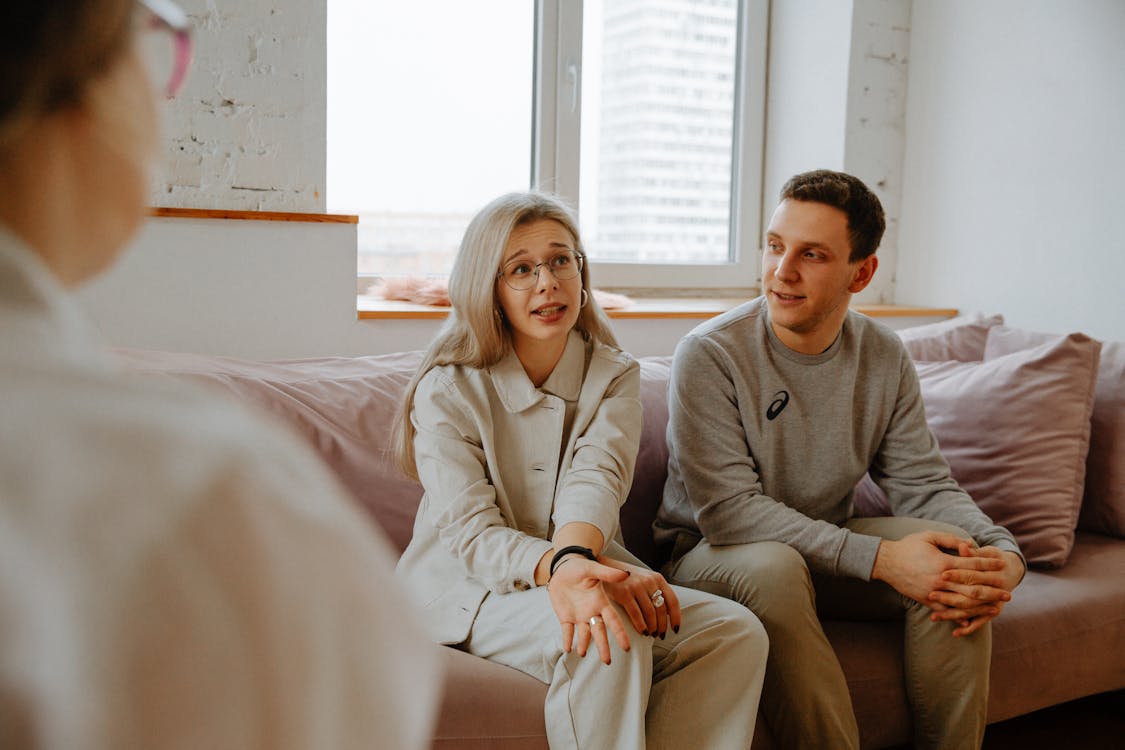
When we meet our own mental and physical needs, it is not only beneficial for our health but also beneficial for our children.
But how to take care of your own health? We asked three mental health experts who are also parents how they do it.
Hear from Dr. Lisa Damour, Sonali Gupta, and Dr. Hina Talib about how they prioritize self-care, the activities they practice, and the benefits they see their families enjoy.
What have you learned about taking care of yourself as a parent?
Blocks
If you haven’t started yet, now is always a good time to prioritize self-care.
Lisa: I often think parents think that taking time for themselves means they’re taking away time with their children. But this is not true. If we take care of ourselves, we can take better care of our children. And knowing how to take care of ourselves helps our children deeply realize the importance of self-care, and shows them how to do it themselves.
Hina: Every time you want to take care of yourself, you just need to spend a few minutes, it’s like a habit that takes a little effort to form but then you will gradually get used to it. But self-care can also mean turning to family and sometimes therapists or mental health clinicians for help when needed, whether at home or at work. .
Sonali: If you haven’t started yet, now is always a good time to prioritize self-care. Getting started is a big step on the journey to cultivating self-compassion and resilience. Be gentle with yourself and those around you as you begin your self-care journey. It takes time to turn small actions into rituals, which are also an investment in our mental health.
How do you practice self-care?
Sonali: I call my time for myself “Ritual Silence” – that is, silence that I intentionally set aside during the day, followed by rituals to self-soothe on a physical, mental level. and society. I came up with the name after struggling with burnout about 10 years ago. The key here is to focus on just one thing when engaging in self-soothing practice and maintain that habit every day, even if it’s just 10 minutes on a busy day. I go for walks alone at the same time of day, meditate and listen to soothing sounds in the morning, take 15-minute naps (longer if possible), and spend time reading non-fiction books. Taking time for entertainment is also how I take care of myself. As a therapist and a mother, ritual silence has become a sacred space for me.
Hina: As I get older, I find myself reaching back to the basic ingredients of a healthy life: moving my body, breathing, getting enough sleep, putting down my phone, and eating lots of fruits and vegetables. I realize I feel mentally healthy when I’m doing these things. Whenever I start having mental health problems, I look for opportunities to do these things more often. Of course, when I have time, I like to add stretching exercises, yoga, and chat with my parents, family members, and friends. Just a few minutes of listening to their voices and sharing what I thought, I felt settled.
Lisa: As a psychologist, I know that sleep is the glue that holds people together, so I’m always concerned about protecting my ability to fall asleep quickly and sleep well at night. To fall asleep quickly, I try to slow things down in the evening. Like many people, I find it nearly impossible to sleep right after being busy doing something that requires a lot of interaction. To sleep well at night, I try to exercise regularly and get plenty of fresh air, both of which help me sleep better.
How do I find time to take care of myself?
Blocks
I think more clearly when I let my mind wander wherever it needs to go.
Hina: Time for self-care seems out of reach – it literally slips out of my reach as I run around taking care of my two young children and completing daily tasks. I always feel obligated to do so. I prioritize self-care by doing it alongside daily parenting and at work. When I brush my teeth, I practice mindfulness, when I cook, I chat with family or friends, when I go to bed with the kids, I do some yoga poses. I regularly take deep breaths between meetings at work and try to stay off my phone at the end of the day, but this is hard for me.
Lisa: What has really helped me as a mother is making the most of the quiet time I have for myself. In the past, I often listened to music or called friends while I was folding laundry or cooking dinner, but I’ve gradually come to appreciate the benefits of running errands in silence, especially when my mind is on. feel confused. I found myself able to reflect on the things that were weighing me down and come up with creative solutions to the challenges I was facing. I think more clearly when I let my mind wander wherever it needs to go.
Sonali: I consider self-care an activity that needs daily attention. On days when I don’t have time for self-care, I feel overwhelmed, stressed, and anxious. My family and I have decided to talk openly about big emotions we may be experiencing, like when we feel overwhelmed and overwhelmed. Over the years, all of us, including my husband and daughter, have talked about how self-care and taking time for ourselves helps us feel more centered and calm. .
How has your family benefited from your self-care?
Blocks
If I don’t prioritize my own mental health and happiness, I won’t reach my full potential as a parent.
Lisa: When I am well-rested and clear-headed, I am more patient with my child and much happier with him. After a good night’s sleep, I have the energy to play, have a “kitchen dance party,” or think of other ways to enjoy time with my daughter. And when I’m not caught up in my own concerns, I can better focus on my daughters and what they need from me.
Sonali: Practicing self-care has helped my family increase resilience. Self-care brings a sense of calm, and this calm can also be contagious, helping us get through difficult times. Self-care has helped us respect each other’s personal space and needs, while building a space that nurtures compassion and empathy for each other.
Hina: One of the moments that makes me most proud in my parenting is when I catch my little ones taking deep breaths to calm themselves when things get difficult – they often watch me do it. such samples in front of them. I love when my kids ask me to do yoga before bed or when they start practicing on their own. I’ve learned that if I don’t prioritize my mental health and happiness, I won’t reach my full potential as a parent.

Leave a Reply