Contents
Personality is the combination of long-term perception and thinking about the environment and oneself expressed through many social contexts and personal circumstances. Personality disorders are diagnosed when personality traits are inflexible and maladaptive across a range of situations, causing distress and significant impairment in social, occupational, and role functioning. of yourself in everyday life.
Personality disorder is a type of mental disorder in which the patient has a rigid and unhealthy way of thinking, functioning and behaving. Signs that a person has a personality disorder are difficulties in perceiving and relating to situations and interacting with people around them. This causes problems that significantly interfere with relationships, social activities, work, and school.
In some cases, you may not realize that you have a personality disorder because your way of thinking and behaving seems natural and familiar to you. And you may blame others for the life difficulties you face.
Personality disorders often begin in adolescence or early adulthood. There are many types of personality disorders. Some types may become less obvious throughout middle age.
2. What are the signs of personality disorder?
Types of personality disorders are grouped into three clusters, based on similar characteristics and symptoms. Many people with one personality disorder also have signs and symptoms of at least one other personality disorder. It is not necessary to have all of the signs and symptoms listed to diagnose a personality disorder.
2.1 Group A personality disorder
Cluster A personality disorder is characterized by odd, eccentric thinking or behavior. They include paranoid personality disorder, schizotypal personality disorder, and schizotypal personality disorder.
Paranoid personality disorder
- Widespread distrust and suspicion of others and their motives
- Having an unjustified belief that others are trying to harm or deceive you
- Unreasonable doubts about another person’s loyalty or trustworthiness
- Hesitant to confide in others due to an unreasonable fear that others will use the information against you
- View innocent comments or non-threatening situations as insults or personal attacks
- Angry or hostile reaction to gentle words
- Has a tendency to long-term hatred
- Frequent unwarranted suspicion that a spouse or partner is unfaithful
Schizotypal personality disorder
- Lack of interest in social or personal relationships, preferring to be alone
- Express emotions in a limited way
- Does not show interest in most activities
- Inability to pick up on normal social cues
- Appears cold or indifferent towards others
- Little or no interest in having sex with others
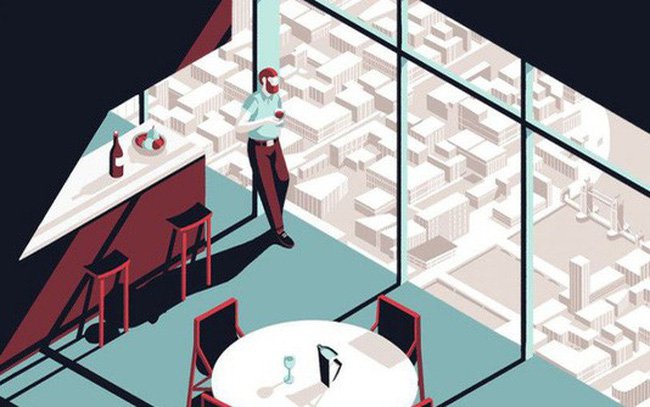
Schizotypal personality disorder
- Unusual dress, thinking, beliefs, speech, or behavior
- Strange perceptual experiences, such as hearing a voice whisper your name
- Emotional inertia or inappropriate emotional responses
- Social anxiety and lack of or discomfort with close relationships
- Indifferent, inappropriate, or suspicious reactions toward others
- “Magical thinking” – believing that you can influence people and things with your thoughts
- Believe that some incident or random event has a hidden message just for you
2.2 Group B personality disorder
Cluster B personality disorder is characterized by dramatic, overly emotional, or unpredictable thinking or behavior. These include antisocial personality disorder, borderline personality disorder, histrionic personality disorder, and narcissistic personality disorder.
Antisocial personality disorder
- Not caring about the needs or feelings of others
- Constantly lying, stealing, using aliases, and defrauding others
- Issues related to the law
- Repeated violation of the rights of others
- Aggressive, often violent behavior
- No regard for the safety of yourself or others
- Impulsive behavior
- Irresponsible
- No remorse for wrongdoings
Borderline personality disorder
- Impulsive and risky behavior, such as unsafe sex, gambling or binge eating
- Unstable self-image
- Unstable and stressful relationships
- Mood fluctuations, often a response to interpersonal stress
- Suicidal behavior or threats of self-injury
- Intense fear of being alone or abandoned
- Empty feeling
- Frequent and intense expressions of anger
- Stress-related paranoia
Histrionic personality disorder
- Constantly seeking attention
- Showing excessive emotion, drama, or sexual provocation to attract attention
- State strongly against other opinions, but with little facts or details to support them
- Easily influenced by others
- Emotions are shallow and change quickly
- Too concerned with appearance
- Thinking that relationships with others are closer than they actually are
Narcissistic personality disorder
- Believe that you are special and more important than others
- Fantasies about power, success, and attractiveness
- Failure to recognize the needs and feelings of others
- Exaggerate achievements or talents
- Expect constant praise and admiration
- Arrogant
- Unreasonable expectations of incentives and advantages, often taking advantage of others
- Being jealous of others or believing that others are jealous of you

2.3 Group C personality disorder
Cluster C personality disorder is characterized by anxious, fearful thoughts or behavior. These include avoidant personality disorder, dependent personality disorder, and obsessive-compulsive personality disorder.
Avoidant personality disorder
- Too sensitive to criticism or rejection
- Feeling inadequate or unattractive
- Avoid activities and jobs that require interpersonal contact
- Being socially inhibited, timid and isolated, avoiding new activities or meeting new people
- Extremely shy in social situations and personal relationships
- Fear of disapproval, embarrassment or ridicule
Dependent personality disorder
- Depends too much on others and feels the need to be taken care of
- Submissive or clingy behavior toward others
- Fear of having to care for or protect yourself if abandoned
- Lack of confidence, needing a lot of advice and reassurance from others to make even small decisions
- Difficulty starting or carrying out projects on your own due to lack of confidence
- Rarely disagree with others, afraid of being opposed
- Poor tolerance or abuse, even when other options are available
- It is urgent to start a new relationship when a close relationship has ended
Obsessive-compulsive personality disorder
- Pays close attention to details, order and rules
- Excessive perfectionism , leading to dysfunction and distress when perfection is not achieved, such as feeling unable to complete a project because you don’t meet your own rigorous standards
- Desire to control people, tasks, and situations and inability to delegate tasks
- Neglecting friends and enjoyable activities because of being too committed to work or projects
- Inability to get rid of broken or worthless items
- Rigid and stubborn
- Inflexible about morals, or values
- Strict control over budgeting and money spending
Obsessive-compulsive personality disorder is not the same as obsessive-compulsive disorder, a type of anxiety disorder.
When to see a doctor?
If you have any signs or symptoms of a personality disorder, see your doctor or mental health professional. If left untreated, personality disorders can cause serious problems in your life and can get worse.
3. What are the causes of personality disorders?
Personality is the combination of thoughts, feelings, and behaviors that make each person unique. It is how you see, understand and relate to the outside world, as well as how you see yourself. Personality is formed during childhood, formed through the interaction of:
- Gen. Certain personality traits can be passed on to you by your parents through genetics. These characteristics are sometimes called your temperament.
- Habitat. This has to do with your surroundings, the place where you grew up, events that happened and relationships with family members and others.
Personality disorders are thought to be caused by a combination of genetic and environmental influences. Your genes can make you susceptible to a personality disorder, and your life circumstances can trigger the signs of a personality disorder to manifest.

4. Risk factors
Although the exact cause of personality disorders is unknown, certain factors appear to increase the risk of developing or causing personality disorders, including:
- Family history of personality disorder or other mental illness
- Abusive, unhappy or chaotic family life during childhood
- Diagnosed with childhood conduct disorder
- Structural and chemical changes in the brain
Complications
Personality disorders can significantly disrupt the lives of both the sufferer and those who care about him or her. Personality disorders can cause problems with relationships, work, or school, and can lead to social isolation or alcohol or drug abuse.

Leave a Reply