Contents
Each person has different types of emotions, which can affect each person’s interactions or lifestyle. Understanding the basic types of emotions commonly found in humans will make it easier for you to regulate and manage them.
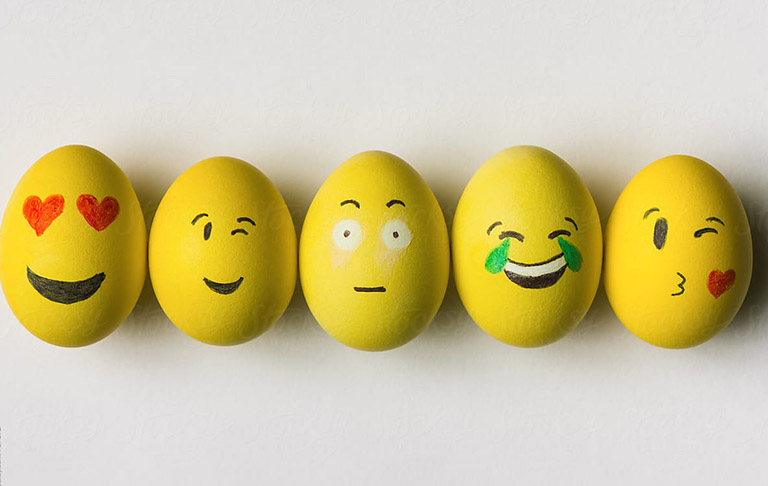
Emotions are vibrations, human reactions to external factors. In other words, this is a state that appears when something impacts your environment and the brain begins to interpret and analyze it. If the impact factor is assessed as dangerous or a threat, the brain will stimulate the secretion of hormones that cause stress, such as cortisol and adrenaline. This will cause you to form negative feelings such as anxiety, fear, anger, restlessness.
On the contrary, if the brain interprets events and situations as beneficial and rewarding, it will help release hormones that create feelings of joy and happiness such as serotonin, dopamine, oxytocin, etc. At this time, you will feel happy. feel mentally excited, excited, have a lot of energy and feel a lot of happiness.
Don Hockenbury and Sandra E. Hockenbury once wrote the book “Discovering Psychology”, where he also shared that emotions are a complex psychological state that includes 3 separate components such as reactions physiological, subjective experiences, and behavioral or expressive responses.
Besides researching and finding ways to determine what emotions are, scientists have also learned and classified different emotions. Specifically:
- In 1972, psychologist Paul Eckman suggested that emotions have six basic types: anger, fear, happiness, disgust, surprise and sadness.
- In 1999 he also expanded and added to this list emotions such as excitement, embarrassment, shame, satisfaction, pride, contempt, and amusement.
In reality, each person has different emotional expressions (even though they face similar situations) because people’s emotional susceptibility to expressing emotions is completely different. Each person’s emotional sensitivity will cause them to express their emotions strongly and intensely.
When an event or phenomenon occurs, it will create liking or disliking, satisfaction or dissatisfaction. An event can make the subject feel happy or sad. There are people who have the ability to stay calm and face the problem, but there are also people who become confused and lose control. The level of emotional expression varies because each individual will have a different emotionality.
Outstanding characteristics of human emotions
The most typical and prominent feature of human emotions is that subjective internal psychological states always have specific external manifestations through each facial expression, gesture, action, and mental characteristic. position, movement. In addition, it also includes reactions related to some changes in the activity of the respiratory system, cardiovascular system, endocrine glands, etc.
Take a specific example: when people face situations that cause fear and anxiety, their face may turn red, they sweat a lot, their limbs tremble, and their muscles become stiff. When you feel happy and joyful, you will automatically laugh, your facial muscles will relax, your arms and legs will be more comfortable and flexible, your voice will be louder, and your gestures will be more confident.
In fact, you can easily recognize people’s inner emotions through their voice, hand and foot movements, and facial expressions. Also because according to experts, the activities of some special muscle groups on the face will perform different movements and have specific distinctions, so they will help create many facial expressions. when people are exposed to events that stir up different emotions.
It can be seen that emotions will often be accompanied by some physiological and psychological changes. When encountering unusual or threatening incidents, people’s faces can change, and many people can lose their composure and self-control in agitation and anger. At this time, muscle activity will take place unconsciously, becoming more complicated than normal.
Accordingly, experts also said that emotions are expressed in a rich and diverse way not only in terms of content but also in terms of characteristics and a variety of emotional nuances. Fear, anxiety, and excitement not only come from threatening and dangerous situations but can also originate from life experiences and lack of confidence of each subject. Each person can feel joy and happiness for many different reasons and each individual’s expression is also different.
Depending on each person’s type of emotion, the signs revealed will be different. Emotions that are formed and expressed will also depend on the subjective state of each subject along with the nature of the stimulating factors. Joy will make the face radiant, full of vitality, breathing and blood circulation to function comfortably. On the contrary, when sad, the face will darken, grimace, eyes become lifeless,…
8 basic human emotions
Since the 1970s, psychologist Paul Eckman has discovered and identified six basic human emotions. After many years of research and study, by 2017 scientists have pointed out many more common emotions than before. A study published by the US National Academy of Sciences reported finding 27 different types of emotions.
However, according to assessments, below are some of the most basic and common emotions in most people. As follows:
1. Sadness
Sadness is considered a temporary emotional state because it is characterized by feelings of sadness, disappointment, depression, hopelessness, pessimism and a gradual loss of interest in life at that time. It can be said that all of us have gone through periods and feelings of boredom for some reason.
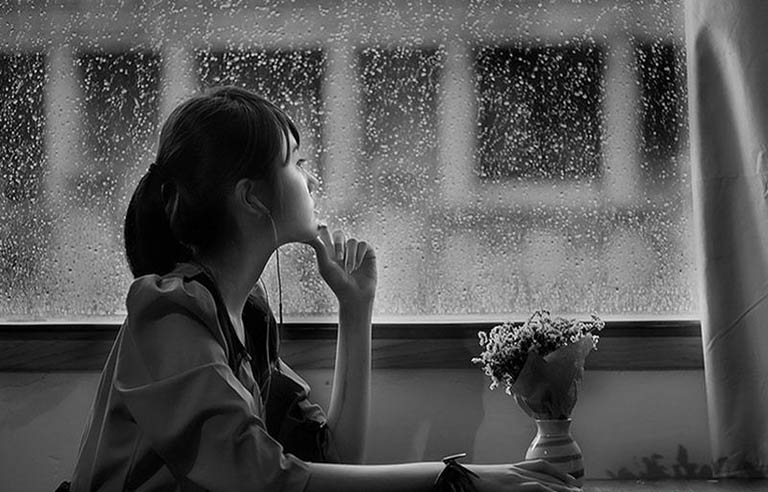
Depending on the impacting event, the sadness may only last for a short time, but there are also some cases where the sadness lasts longer and becomes severe, most likely leading to depression . Sadness can be expressed in many different forms, such as indifference, indifference, silence, unusual silence, depression, melancholy expression, self-isolation, self-lockedness. alone in my room, crying…
Sadness will also have degrees and be classified depending on the root cause causing it and how each person copes with negative emotions. Sadness can cause a person to isolate themselves from society and those around them, forming negative thoughts and self-harming behaviors.
2. Surprise
Surprise is one of the basic emotions that almost all of us have experienced. However, the emotion of surprise and surprise usually lasts for a short period of time and is characterized by physiological reactions, such as startle, wide eyes, etc.
As for the emotion of surprise, it can be positive, negative or neutral depending on what happened. A surprise makes you feel good, like having a surprise guest visit your house or when your close friends celebrate your birthday without prior notice. An example of an unpleasant surprise is someone suddenly jumping out from behind and scaring you at night.
When surprised, people often have expressions such as widening their eyes, raising their eyebrows, opening their mouths wide, jumping up or jumping back, screaming, remaining silent, and standing still. According to experts, surprise is an emotion that can create a fight or flight response. When surprised or startled, the body has the ability to produce the hormone adrenaline to help the body cope and fight back or choose to run away.
The emotion of surprise can directly impact human behavior. In the results of a study, it was found that people tend to pay attention to unexpected and sudden events and situations. This is also the reason why surprises always tend to stand out and receive a lot of community attention.
3. Happiness
It can be said that among all types of emotions, happiness is the state that most of us want to achieve and are always looking for. This is a positive emotional state and helps you feel comfortable and at ease. The typical expression of this type of emotion is the feeling of contentment, satisfaction, satisfaction, joy, and excitement.
Starting in 1960, there have been many scientific studies investigating happiness, in many subjects, this emotional state has also been mentioned, such as a sub-discipline of psychology that is positive psychology. Some common signs when you feel happy include smiling, moving your body more flexibly, having a happy, gentle voice, or being able to speak at a higher volume.

In fact, happiness is a basic emotion that everyone has experienced. However, what we think and feel to create happiness is greatly influenced by culture. For example, popular culture will be more likely to emphasize achieving a certain thing such as having a good job, high salary, buying a house to feel happy and joyful. However, according to assessments, the factors that contribute to happiness are often quite complex and have many personal characteristics.
Everyone believes that health and happiness are quite closely linked. In fact, this has also received much support from experts, scientific research has also specifically demonstrated the great contributions of happiness to the overall health of each child. People. If you can maintain happy and joyful emotions, it will help you increase your longevity, prolong your youth, and increase satisfaction in marriage and life.
On the contrary, unhappiness is linked to many health problems. For example, when you are worried, stressed , sad, lonely, or depressed, it will reduce the activity of the immune system, increase inflammatory diseases and reduce the average age of each person.
4. Contempt
If considered among the 8 basic human emotions, contempt is an emotion that is not highly appreciated. This is the state of expressing contempt, disparaging, and disparaging others in a negative way. Characteristic expressions that are easy to recognize when a person has contemptuous feelings are pursed lips, raised one side of the mouth, and squinted eyes.
As mentioned, this is a type of negative emotion, so if you continue to maintain this state, it will affect your life activities and cause bad consequences surrounding relationships that require respect. important. Therefore, each person needs to know how to adjust and eliminate this type of emotion to avoid possible negative effects.
5. Disgusting
Disgust is a fairly common emotion expressed in many different forms. For example, avoiding objects that cause disgust, feeling nauseous, vomiting, and accompanied by some facial expressions such as wrinkled nose, curled lips, etc.
The feeling of disgust can appear in many situations, factors such as certain smells, images, and scenes can also make a person feel disgusted. Some researchers share that this emotion is likely to develop as a reaction to harmful or fatal foods.

For example, when a person smells or tastes a rancid, smelly food, they will form feelings of disgust with many characteristic reactions. In addition, a number of other factors such as blood, poor hygiene, decay, infection, and death can also cause feelings of disgust.
It can be understood that this is a response that helps people avoid things that can cause infectious diseases. Furthermore, some people may also experience feelings of disgust when they witness others performing immoral acts that make them feel bad and uncomfortable.
6. Fear
According to experts, fear is a strong emotion, it plays an important role and affects human survival. When you are faced with threatening, dangerous situations and they make you feel afraid, you will experience what is called the acute stress response, which is the fight or avoidance response.
At this time, heart rate and breathing rate begin to increase, muscles tense, the mind becomes more alert and alert, the body will be motivated to run away from danger or face it. This response also means ensuring that you are prepared to face dangers and threats in your own life.
The emotion of fear will be expressed by characteristics such as eyes wide open, chin retracted, trying to deny or hide threatening events, heart palpitations, rapid breathing, sweating, etc. However However, each person will have unique ways of experiencing fear. Some people may become panicked, scared, and more sensitive, but there are also people who are strong and can resist the incident.
Fear is often an emotional response to an immediate threat. They can form with anticipated dangers or even when we think about the potential dangers of situations. Others seek fear through thrilling games and extreme sports.
When you are exposed to or continuously faced with objects and situations that cause fear, you can gradually become familiar with them, adapt to them, and your feelings of fear will gradually subside. This is also one of the ideas used in exposure therapy so that patients can gradually be exposed to fearful situations and control their emotions well.
7. Anger
Anger can appear as a strong emotion characterized by agitation, feelings of hostility, resistance, and frustration towards a certain situation or object. Similar to the feeling of fear, anger can be one of the body’s fight or avoidance responses.
When a threat appears, it makes us feel angry, ready to fight challenges to protect ourselves or those close to us. Often anger will be expressed through characteristics such as facial scowls, glaring eyes, talking harshly, harshly, screaming, blushing, sweating a lot or even some other behaviors. like throwing objects, punching, kicking, etc.

Most of the time, anger is negative, but in some cases it is constructive, helping you clarify your own needs in relationships or motivating you to take action to solve problems. thoroughly. However, if anger is expressed at a high level, it will no longer be healthy, but on the contrary, it has potentially dangerous and harmful elements.
Uncontrolled anger can quickly turn into violent, aggressive, or abusive behavior. The consequences of this type of emotion are also extremely great, it can be harmful to the mind and body. At the same time, it also hinders rational decisions, even causing you to stall your future plans.
8. Suffering
Suffering is considered one of the basic emotions with the highest expression being sadness. In reality, there are many people immersed in suffering with despair, boredom, sadness and not wanting to do anything. These emotions will not appear often, but when you face and suffer a major mental shock, they will begin to form and manifest at a serious level.
How to manage your emotions well?
Understanding common basic emotions will make it easier for you to control and manage them. According to experts, emotional management is a method of using reason to partially control emotional expressions. Thanks to that, we will change our actions, react to impacts and adjust them in a more positive direction.
However, you need to specifically distinguish between managing and suppressing emotions. Because suppressing emotions is the act of forcing it to not be expressed on the outside. Management is the way we allow ourselves to express our emotions at a moderate and appropriate level.
Here are some ways that can help you manage your emotions effectively:
1. Observe emotions
To be able to manage your emotions well, you first need to observe your own emotions and experiences. You need to learn to understand and feel specifically what you are going through. When faced with any situation we need to analyze what we feel without specifying it, changing it or denying it.
This will make it easier for us to balance our emotions. It is not necessary to immediately deny or avoid situations and emotions that cause discomfort. In fact, not all types of unpleasant emotions are bad. If you can maintain your goals well, you can completely turn the things that make you unhappy into things that make you more comfortable.
2. Label emotions
To be able to change your emotions, you need to learn to acknowledge what you are going through at that time. Are you actually feeling worried, frustrated or sad? Name your own emotions. And you also need to understand that, at some point, you may exist with many types of mixed emotions such as anxiety, anger, sadness,…
As soon as you see different emotions appearing, immediately label each emotion. This can help you be more careful about your existing emotions and clearly recognize their effects on decisions and daily life activities.
3. Change your thinking
Emotions are factors that somewhat affect the way you perceive and evaluate events around you. If you feel worried or insecure and at that time you receive a text message from your boss to meet, you will immediately feel like you have made a mistake, and you may even be at risk. chance of being fired.
However, when you feel happy and excited, being summoned by your superiors will make you think of positive situations such as getting a raise, promotion, reward, etc. Therefore, learn how to adjust. and redirect your thoughts at the right time to gain a more realistic perspective.
If you find yourself living in negative thoughts and emotions, try to redirect them in a more positive and optimistic direction. Some physical activities such as going for a walk, cleaning the house, practicing yoga, and playing outdoor sports can also help you stop pessimistic thoughts.
4. Learn how to self-soothe your emotions
When you notice yourself falling into a bad emotional state, you are more likely to perform behaviors and participate in activities that put you in that mood. Trying to isolate yourself, avoid people around you, or constantly complain about the difficulties you’re facing will only make you more stuck.
To quickly get rid of unpleasant emotions, you need to take more positive actions. Try thinking about things that make you happy. When you do new, interesting things while in a bad mood, it will help you feel more comfortable and at ease. For example, you can meet, chat with friends and relatives, meditate, listen to music, take care of plants, play with pets, read books,…
The above article has helped readers learn more about 8 basic types of emotions commonly found in humans. Emotions have a great influence on our lives and health, so you need to know how to control and manage emotions effectively to have a happy and comfortable life.

Leave a Reply